


Project Background
Great Wall Motor is a major automotive manufacturer. At the time of the original report, its SUVs had led national sales for 14 consecutive years, while its pickups had ranked first in both domestic market share and sales for 20 consecutive years.
Automotive factories depend on continuous production, with utility plants supplying cooling, heating, compressed air, and other essential services. Equipment efficiency directly affects energy costs and production safety.
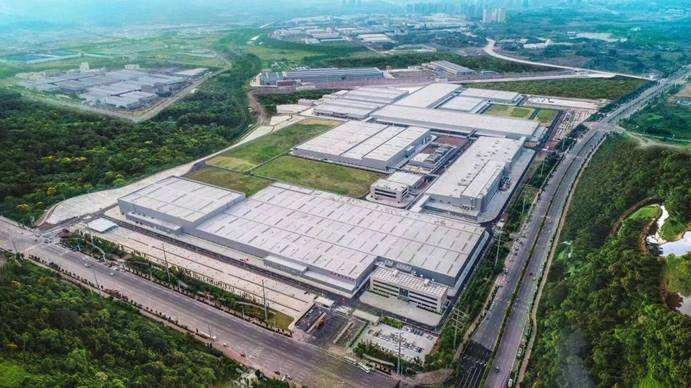
Building on its existing energy-saving controls, Great Wall Motor’s Chongqing utility plant introduced further improvements to coordinated equipment control, system setpoints, safety diagnostics, and maintenance. The project focused on matching equipment operating strategies more closely to actual demand.
Intelligent Utility Plant Optimization
Coordinated Equipment Control
The utility plant contains multiple equipment types whose startup sequences, load allocation, and operating combinations affect overall performance. Improved control logic coordinates equipment around system demand, reducing energy waste from unloaded operation, inefficient performance, and unsuitable equipment combinations.
Control Setpoint Optimization
Within process and safety limits, control setpoints are adjusted using operating data and changing loads. Coordinating these adjustments with equipment sequencing helps the plant maintain more efficient operating conditions.
Integrated Safety Diagnostics and Maintenance
The project also introduced safety diagnostics and maintenance capabilities, incorporating equipment anomaly detection, alerts, and work order handling into daily management.
Intelligent diagnostic alerts and work orders help maintenance teams identify affected equipment and address issues more quickly, improving process control and production safety.
Energy Performance Verified by Meter Readings
Actual electricity meter testing showed an average energy efficiency improvement of 21%. These on-site measurements verified the improvement in operating performance and demonstrated the combined value of coordinated equipment control, setpoint optimization, and maintenance diagnostics.
Wider Deployment and Replication
The project approach has been extended to other facilities, including Great Wall Motor’s Xushui operations.
For automotive factories, utility plant optimization must balance production stability, energy efficiency, and maintenance responsiveness within a sustainable digital management framework. This project provides a practical reference for intelligent utility plant upgrades across the automotive manufacturing sector.

