


Project Background
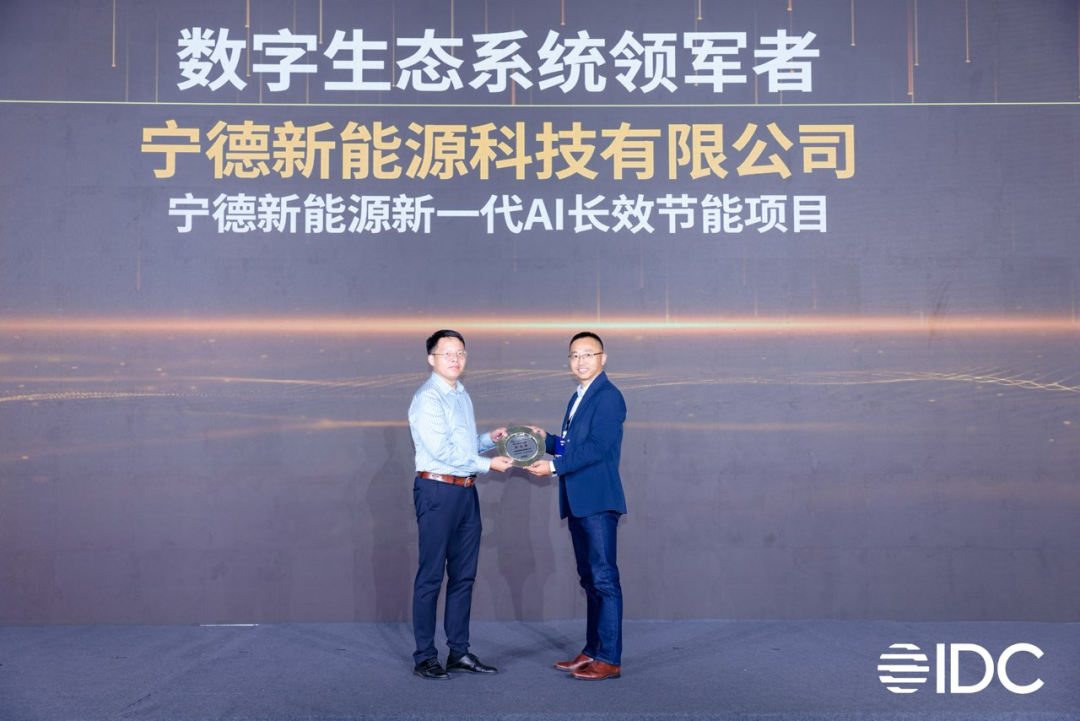
On October 17, ATL and DeepCtrls received the 2025 IDC China Future Enterprise Awards — Excellence Award (Digital Ecosystem Leader) for their jointly developed Next-Generation AI Energy Efficiency Project, selected from more than 500 cases nationwide.
The recognition highlights the project’s innovation in industrial energy efficiency, intelligent operations, and low-carbon transformation.
Challenges in Traditional Energy Management
ATL operates large-scale lithium-ion battery manufacturing facilities. As production capacity expanded, its chilled water plant faced increasingly complex operating conditions and three major challenges.
1. Significant Energy-Saving Potential
The chilled water system included six generations of chillers, pumps from four brands, and three cooling-tower communication protocols, with both fixed- and variable-frequency equipment.
Fragmented control made coordinated optimization difficult, leaving 35%+ potential for efficiency improvement and approximately RMB 3 million in annual cost-saving potential.
2. Slow O&M Response
Fault diagnosis and response relied heavily on manual intervention, with average response times exceeding four hours. This increased the risk of unplanned downtime and threatened production continuity.
3. Growing Decarbonization Pressure
Traditional control and energy management methods could no longer support increasingly demanding energy-efficiency and low-carbon manufacturing goals.
Building a PhyAI-Powered Energy Ecosystem
ATL and DeepCtrls deployed a PhyAI-powered energy intelligence platform, combining equipment modeling, system simulation, and global optimization to move from standalone energy savings to system-wide intelligent coordination.
Intelligent Sensing
Pressure, temperature, flow sensors, and variable-frequency drives were integrated across chillers, pumps, and cooling towers.
The platform captured data from 97% of equipment, processed more than 20 types of operating data at the edge, and reduced packet loss to 0.3%.
Physics-Based Modeling & AI Optimization
DeepCtrls combined physics-constrained modeling with reinforcement learning and digital twin simulation to enable dynamic cooling-system optimization.
A 108-dimensional energy prediction model evaluates 12,000 equipment combinations every five minutes, continuously adapting control strategies to changing operating conditions.
The system achieved:
217 autonomous control optimizations
Control deviation reduced from ±15% to ±2.3%
98.6% fault-warning accuracy
Multi-Brand Equipment Coordination
A cross-brand protocol gateway enables rapid integration across six industrial communication protocols.
Equipment integration time was reduced from 14 days to 6 hours, significantly accelerating deployment across heterogeneous systems.
Measurable Energy and Operational Results
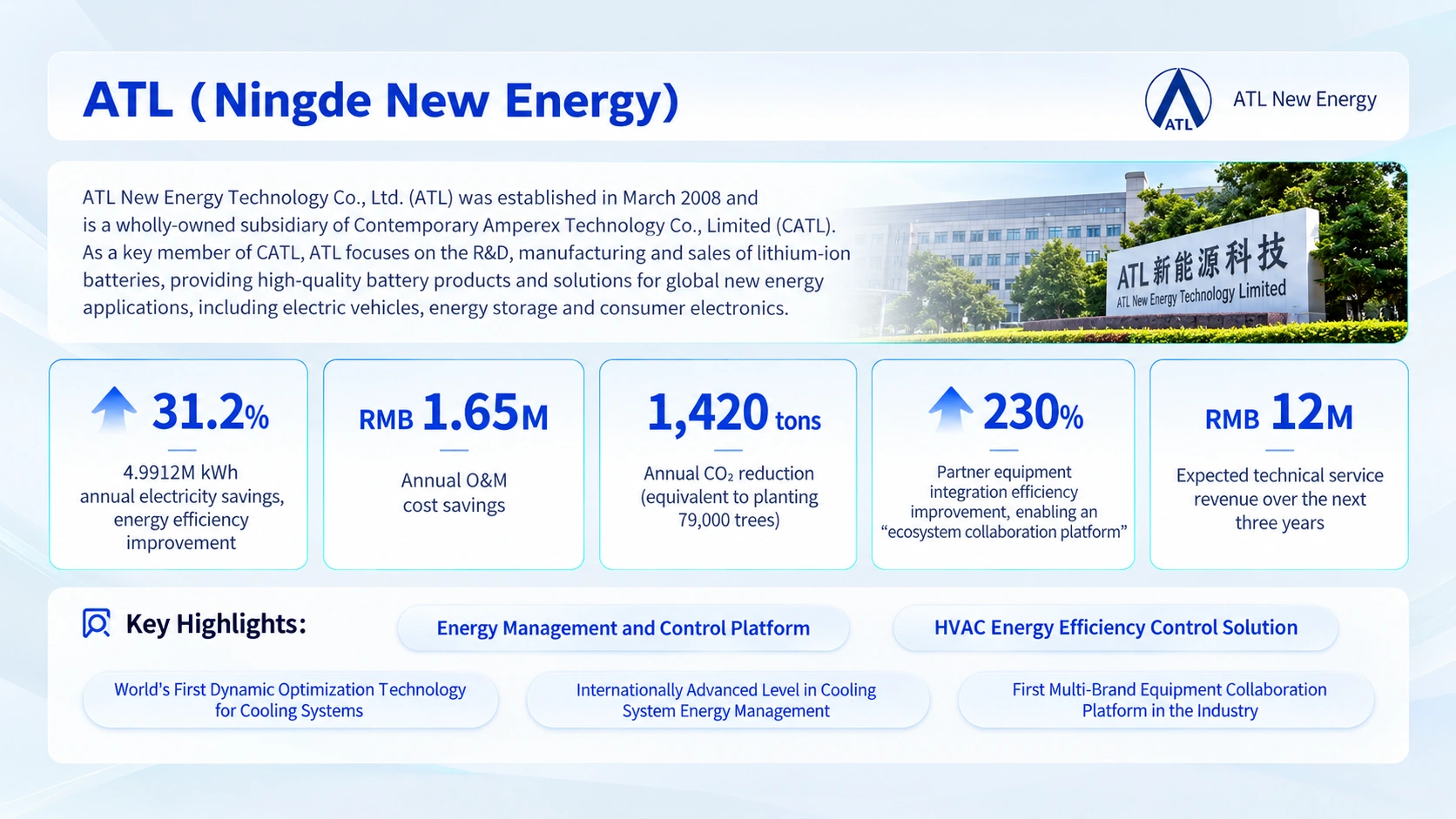
The PhyAI-powered system delivered measurable improvements across energy efficiency, O&M, and carbon reduction.
31.2%
Energy Efficiency Improvement
4.9912M kWh
Annual Electricity Savings
RMB 2.995M
Annual Direct Savings
92%
Equipment Risk Detection Accuracy
4 Hours → 30 Minutes
Fault Response Time
40%
Annual O&M Cost Reduction
1,420 Tons
Annual CO₂ Reduction
Independent testing measured a 32.7% energy-efficiency optimization rate, demonstrating strong performance in industrial cooling energy management.
From Standalone Equipment to Autonomous Energy Systems
The project demonstrates how PhyAI transforms industrial energy systems across three dimensions:

From isolated equipment to intelligent nodes
From closed systems to connected ecosystems
From cost centers to continuously optimized assets
The same approach can be replicated across chilled water, compressed air, vacuum, and other utility systems, providing a scalable pathway toward smarter and lower-carbon manufacturing.

