


Project Overview
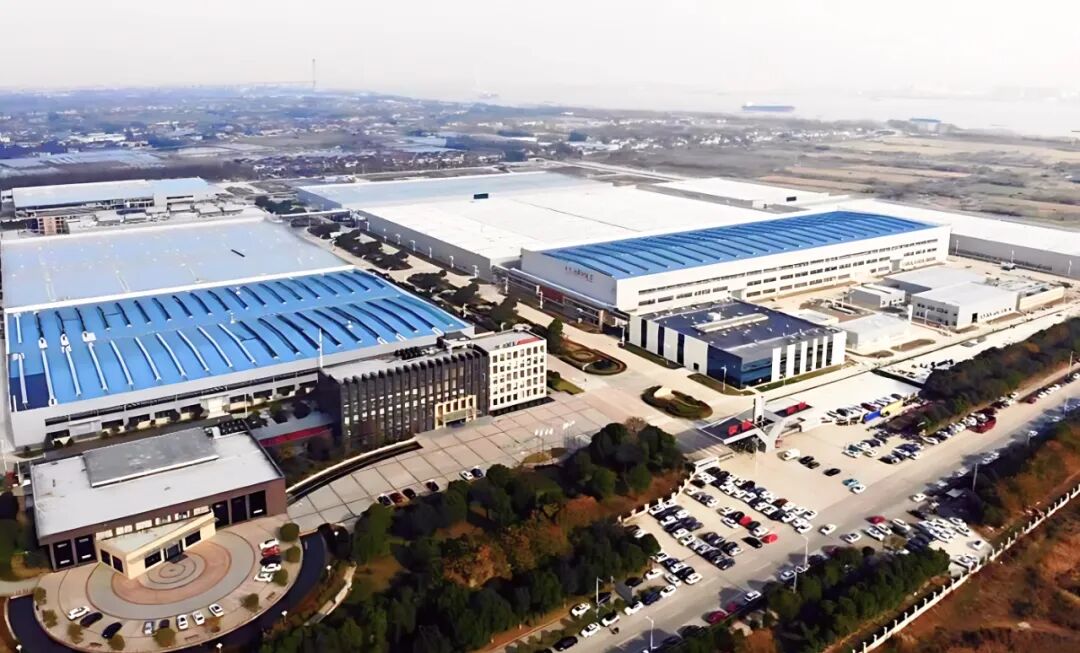
Driven by carbon reduction targets and manufacturing cost pressures, Chinese industry is shifting toward lean, intelligent manufacturing. As a core powertrain subsidiary of Great Wall Motor, HYCET Power System (Jiangsu) Co., Ltd. (“Jiangsu HYCET”) has established a leading position in engines and electric drives. However, rising energy costs and high compressed air consumption have created an urgent need for efficiency improvements.
As a company representative explained: “Saving energy in compressed air systems is no longer optional—it is an urgent challenge.”
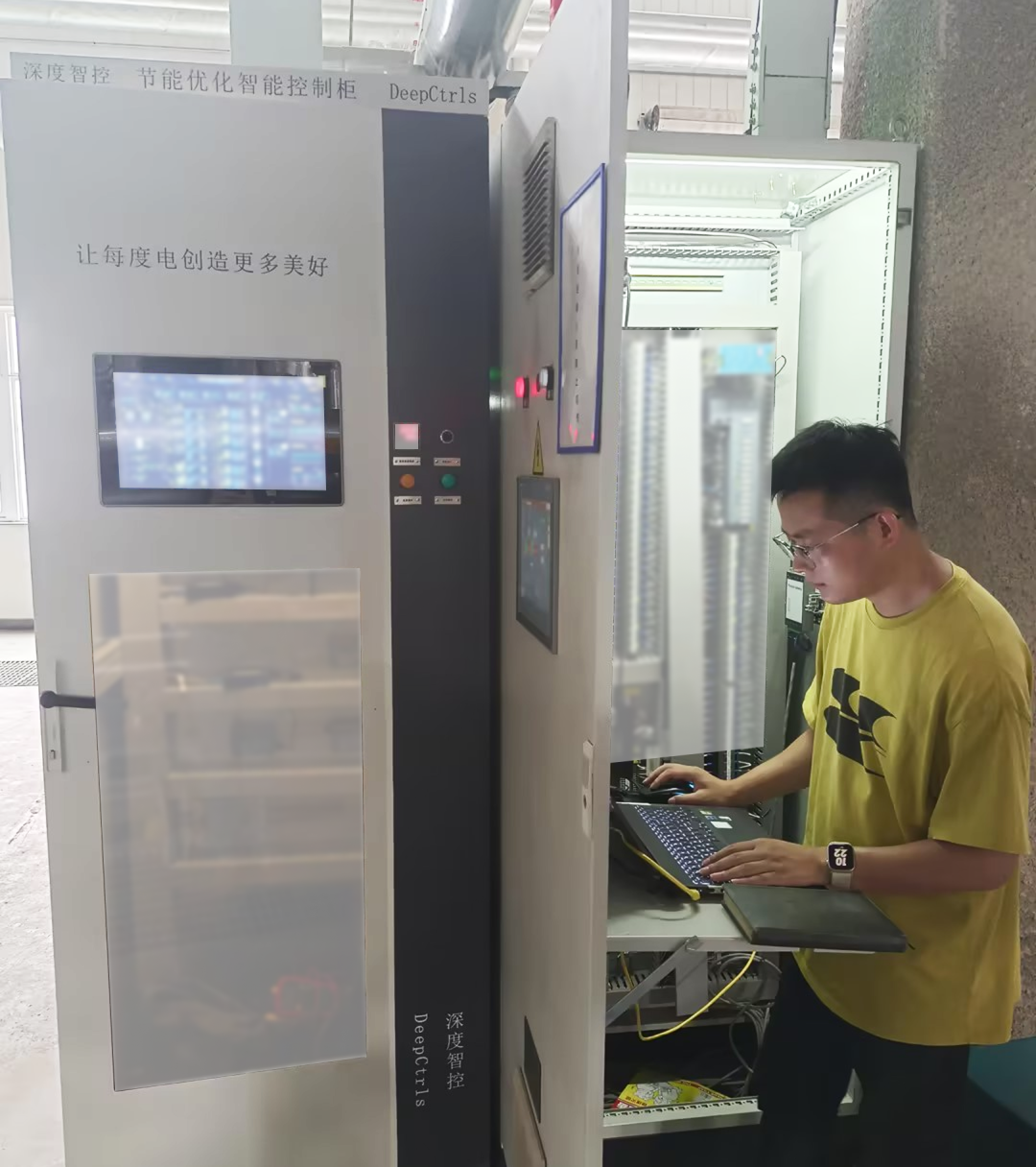
Jiangsu HYCET deployed Deepctrls’ DeepBot, using PhyAI high-precision modeling and system-wide optimization to upgrade its compressed air system. Peak energy savings reached 14.90% during morning periods and 13.16% during afternoon periods. Overall energy consumption fell by 12%, delivering annual electricity savings of 1.7 million kWh.
1. Energy Challenges: Compressed Air Inefficiencies and Cost Pressures
The compressed air system comprises one station supplying a common header, with four centrifugal compressors, two fixed-speed screw compressors, and six adsorption dryers. Three centrifugal compressors normally run continuously, while the remaining three compressors are kept on hot standby with staggered pressure settings.
Machining areas, including cylinder head production, together with the housing and armature workshops, account for 95% of compressed air demand. The EPS workshop accounts for 4%, and other users for 1%.
The assessment identified three main challenges.
Supply–Demand Imbalance
Limited visibility into demand made it difficult to balance production and consumption. Delays between air generation, distribution, and end use required higher pressure settings as a buffer, leaving blow-off valves (BOVs) substantially open for prolonged periods.
Excessive Unloaded Operation
As pressure requirements shifted between 5 and 6 bar and flow demand changed, compressors frequently ran unloaded or against excessive back pressure, wasting energy.
System Pressure Driven by the Highest-Demand Users
Four end-use locations required different pressures, but the entire system supplied air at the highest required level. Two mechanical centering units in the EPS workshop set this maximum, increasing energy consumption across the network.
2. Implementation: PhyAI-Powered Energy Optimization
Deepctrls combined operating data with physics-based models to improve the system through three measures.
Flow Control: Precise, Demand-Based Supply
A flow controller installed at the EPS workshop inlet enabled lower-pressure supply at 4 bar. Deepctrls’ control algorithms adjusted airflow flexibly to maintain balanced supply while reducing energy consumption.
Flexible Air Storage and Buffering
In the armature workshop, buffer-based control works with an AI model that forecasts demand five minutes ahead to adjust compressor output.
The arrangement provides a 30-second air supply buffer when compressor unloading reaches 50%, maintaining safe supply and addressing frequent fluctuations at the most pressure-sensitive location. Local air storage and flexible control reduce sharp pressure swings and associated energy waste.
System-Wide Optimization
An on-site optimization system diagnoses energy consumption and operating efficiency. It builds precise energy performance models using equipment characteristics and actual airflow and pressure demand.
The platform coordinates compressors, associated equipment, and the distribution network to minimize total energy consumption. Operating parameters and equipment states are continuously adjusted to maintain optimal efficiency under changing conditions.
3. Results: Data-Driven Efficiency Improvements
The project combined intelligent equipment control with predictive, data-driven optimization to improve compressed air energy performance.
Predictive Control Through Continuous Data Feedback
Conventional systems rely on operators to adjust pressure thresholds. Deepctrls continuously collects workshop air-demand data and builds dynamic load forecasts.
Based on demand patterns throughout the day, the platform selects efficient equipment combinations and parameter settings, keeping the system operating at optimal energy performance.
Greater Resilience Through Stable Pressure Control
Frequent loading and unloading can accelerate compressor wear. Deepctrls maintains supply pressure within a narrow range, providing steady airflow and reducing energy losses caused by large pressure fluctuations.
The system also reduces artificial demand caused by excessive pressure. For example, if a workshop requires 0.48 MPa but receives an average of 0.54 MPa, the additional 0.06 MPa creates unnecessary consumption. AI-powered control brings supply pressure closer to the required level, minimizing losses while maintaining operational requirements.
The collaboration between Deepctrls and Jiangsu HYCET demonstrates a practical approach to more efficient, lower-carbon manufacturing. Deepctrls will continue developing its technology to support greener, more sustainable industrial operations.

