
Inside DeepCtrls’ L4 Computing–Power AI Platform and DeepBot 3.0
Published: 2026-7-21
Why Computing Infrastructure Needs Computing–Power Coordination
On July 19, the 2026 World Artificial Intelligence Conference (WAIC) entered its third day. Under the theme “Reshaping Global Computing and Energy Infrastructure with Physical AI,” DeepCtrls continued showcasing innovative energy applications for data centers and industrial manufacturing.
At the event, DeepCtrls unveiled its L4-level AI platform for computing–power coordination and demonstrated DeepBot 3.0, an L4.5-level energy efficiency agent, extending the applications of its PhyAI Physical AI engine across AI infrastructure.
1. Launching an L4-Level AI Platform for Computing–Power Coordination
As AI deployment scales, computing infrastructure is becoming a critical foundation for global AI competitiveness. Intelligent coordination between computing and energy systems is essential to improving infrastructure efficiency.
As an inaugural participant in CAICT’s “Ten Technology Testbeds” initiative, Deepctrls launched its L4-level platform at WAIC, advancing the integration of AI and energy infrastructure.
Core Platform Capabilities
Built on Deepctrls’ proprietary PhyAI energy intelligence engine, the platform combines multidimensional modeling with coordinated optimization across computing, power, and cooling systems.
AI algorithms dynamically match computing demand with energy supply, advancing infrastructure from passive management toward intelligent decision-making and autonomous optimization. These capabilities support the development of next-generation AI data centers.
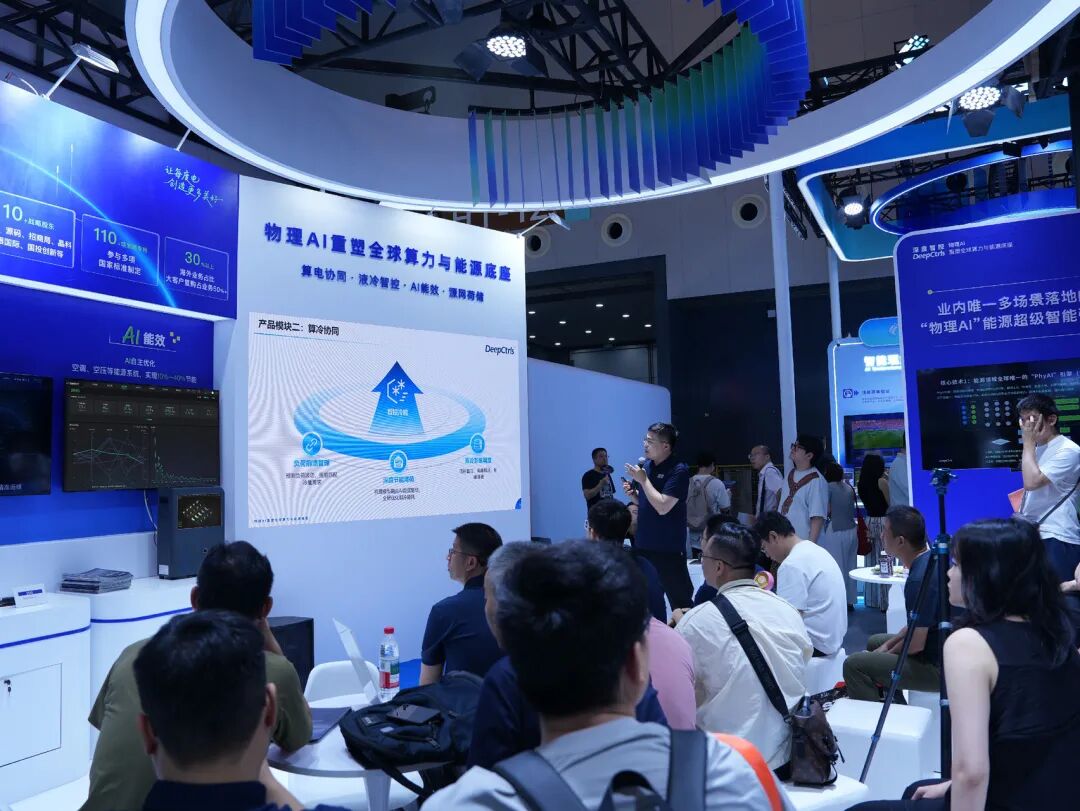
2. DeepBot 3.0 Accelerates Standardized Physical AI Deployment
Deepctrls also showcased DeepBot 3.0, an L4.5-level energy efficiency agent designed for large-scale industrial deployment. Powered by PhyAI, DeepBot integrates equipment physics models with AI algorithms to enable operating-state sensing, energy performance analysis, intelligent decision-making, and autonomous control.
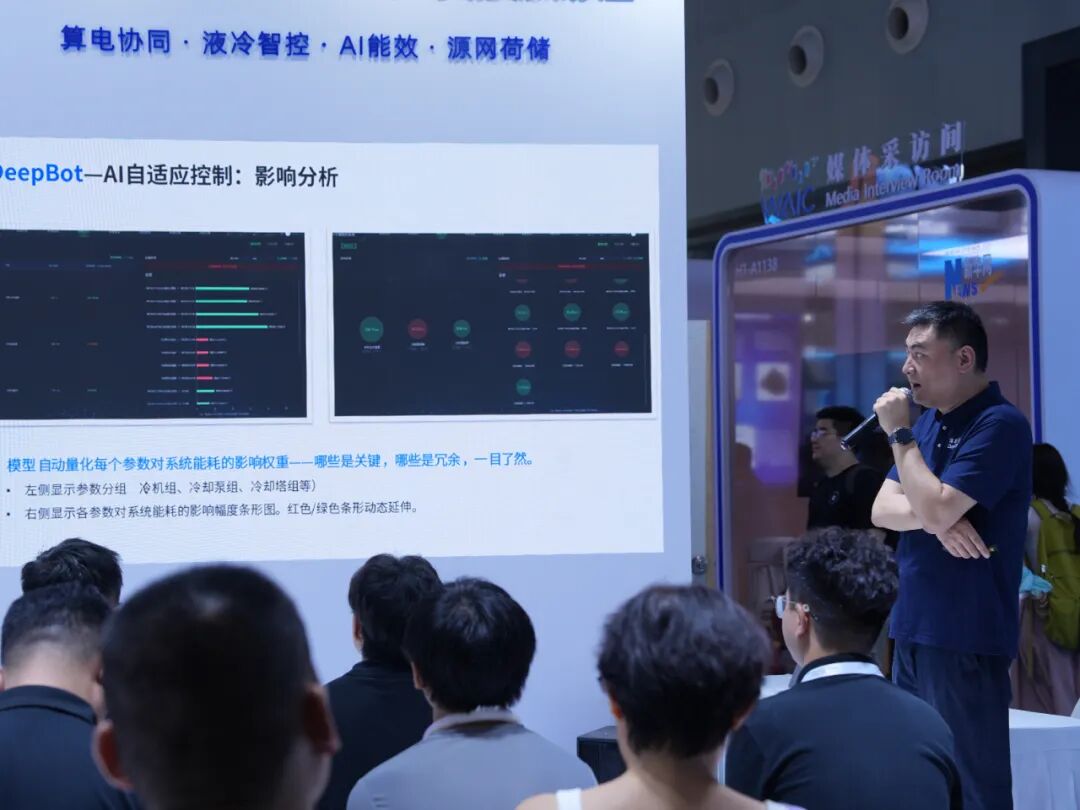
By combining physical principles with deep learning, DeepBot makes AI decisions explainable, verifiable, and traceable. Already deployed across multiple industrial settings, its standardized product format enables Physical AI capabilities to be replicated across more industries.
Hands-on demonstrations of DeepBot 3.0 gave visitors a practical understanding of Physical AI’s applications and capabilities.
During the event, Deepctrls held separate strategic partnership signing ceremonies with Bank of Ningbo and Huai’an Economic Investment Group. The partnerships will support DeepBot deployment through a business model combining finance, industry, and Physical AI technology, accelerating PhyAI adoption across industries.
As AI expands from the digital world into the physical world, AI infrastructure is entering a new phase of transformation. Guided by its “AI for AI” strategy and powered by PhyAI, Deepctrls will continue advancing intelligent liquid cooling, computing–power coordination, and energy efficiency agents.
These technologies provide essential infrastructure for sustainable AI development—enabling AI to create intelligence while delivering more efficient, autonomous energy support for its own growth.
